
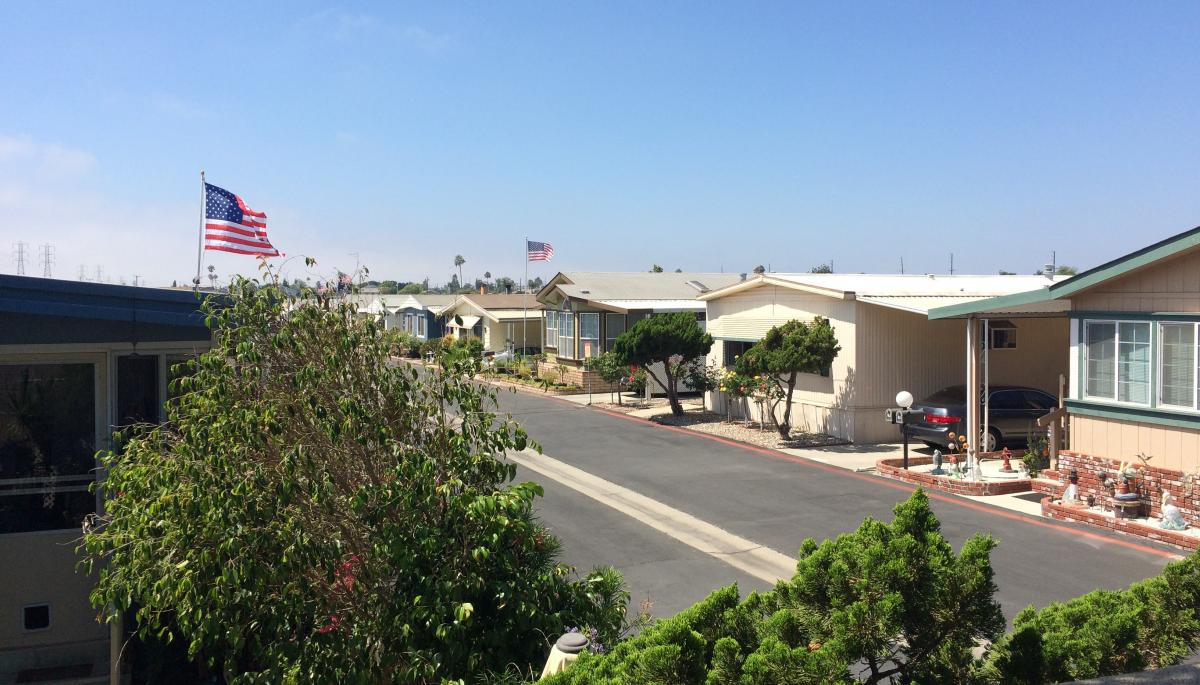
A federal law intended to protect senior mobile home parks is being misused to close them
Matthew R. Silver is the founding partner of Civica Law Group APC and can be reached at msilver@civicalaw.com. Sean E. Morrissey is of counsel for Civica Law Group APC and can be reached at smorrissey@civicalaw.com.
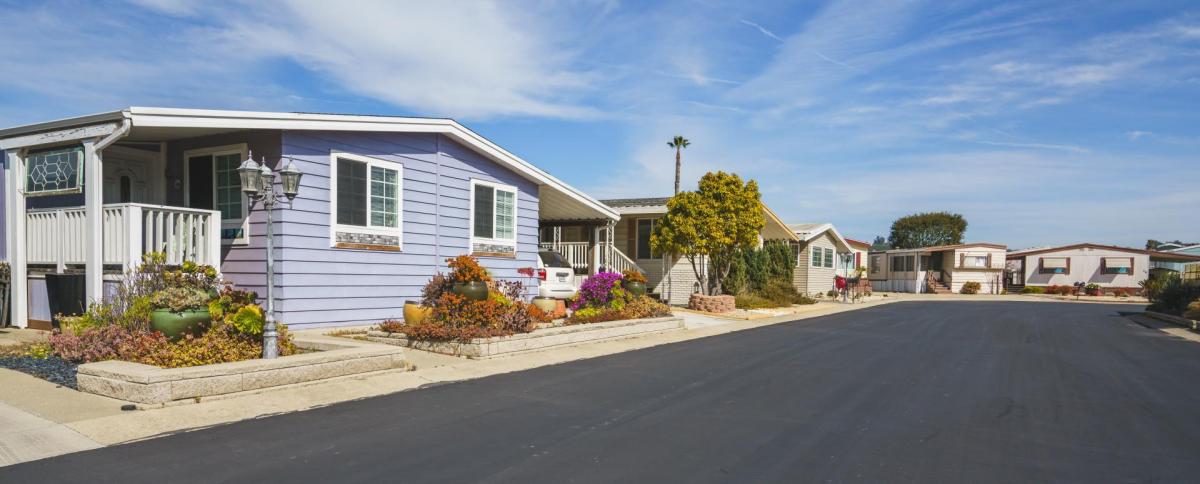
Mobile home parks restricted or reserved primarily for seniors are vital sources of affordable housing for lower or fixed-income seniors. So much so that federal, state, and local agencies have adopted special rules to preserve them. However, cities all over California are both defending against litigation aimed at limiting or stopping local laws that protect such housing and prosecuting lawsuits against mobile home parks that are violating those laws.
For many residents, this new wave of lawsuits could not come at a worse time: These homes are some of the last bastions of protected, affordable housing for senior citizens in California. However, some groups have developed a business model that aims to profit from converting senior mobile home parks to all-ages groups or closing them altogether — all in violation of local municipal codes.
What the law says
The federal Housing for Older Persons Act (HOPA) provides the framework for senior-only mobile home parks while providing protections against lawsuits filed on the basis of discrimination against age or familial status. Although the Fair Housing Act normally prohibits such discrimination, compliance with HOPA gives mobile home park operators legal cover if the park:
- Includes at least one person who is 55 years of age or older in at least 80% of the mobile homes occupied in the specific park.
- The senior community publishes and adheres to policies and procedures that demonstrate its intent to be a senior community.
- The senior community adheres to a biannual age verification policy and procedure.
Similarly, California’s Unruh Civil Rights Act also protects senior communities if the requirements in HOPA or similar federal programs are met. Local governments can also adopt ordinances and enact zoning regulations, such as overlays designating mobile home parks as senior-only or primarily senior parks. This is a critically important tool for local governments to provide and protect affordable housing for seniors in their communities.
The “loophole” in the law
Unfortunately, many cities and counties are facing litigation aimed at overturning their senior housing protections and/or preventing successful enforcement of those laws and regulations.
The scenario involves buying a senior mobile home park and then advertising and selling or renting units to people of all ages. If the city then enforces a local law applying senior housing protections to an existing mobile home park — the owner then sues the city. This often triggers a process to close the mobile home park entirely.
In some cases, the park owner violates HOPA’s age verification requirement. By violating the biannual process, the owner argues that the city’s senior housing laws cannot be enforced because the mobile home parks would then be violating housing discrimination laws, and as such, cannot be a senior mobile home park at all. In this sense, senior mobile home park owners can self-exempt themselves from local laws designed to protect affordable senior housing.
It’s a profitable and logically baffling argument, but one that has found success. A California court recently agreed with a park owner’s argument that if they failed to meet the HOPA age verification requirements, then the mobile home park is not bound by the state and local senior zoning protections because they would not meet the definition of a mobile home park. After all, the number of seniors could not be — or was not — verified.
This interpretation of the relationship of HOPA to local ordinances weakens locally adopted senior housing protections and incentivizes the conversion of senior communities to higher rent, all-age models. The financial incentive seems to be: Uproot, displace, and replace senior citizens on fixed incomes with tenants who can pay significantly more, or redevelop the park to something more profitable.
The impact on seniors, who make up an increasing share of the state’s homeless population, is devastating. At minimum, these situations create serious uncertainty, anxiety, and stress for the senior citizens, who face uncertain housing. As detailed by senior residents at a recent Sonoma County Board of Supervisors meeting, one company has allegedly threatened to spend billions on lawsuits just to exhaust residents into submission.
Moreover, while senior residents may own their mobile homes, they do not own the land that the homes sit on. This also presents a concern since most mobile homes in senior-only mobile home parks cannot realistically be moved due to age, condition, cost — which can cost $15,000 or more per unit — as well as the resident’s age and potential disabilities and a lack of available spaces to move the home to. These seniors are stuck in a take-it-or-leave-it situation: Accept the higher rent or conversion to an all-ages park or leave.
Related legislation
Fortunately, there may be some relief on the horizon. California Assembly Bill 2596 clarifies that failure to comply with HOPA or any other law does not relieve a park owner from complying with other state and local laws, including those that protect senior mobile home housing. This is intended to buttress local ordinances that protect affordable senior housing and close the perceived loophole. However, many seniors may continue to face an uncertain future while the bill makes its way through the Legislature, and various cities litigate the issue in the courts.