
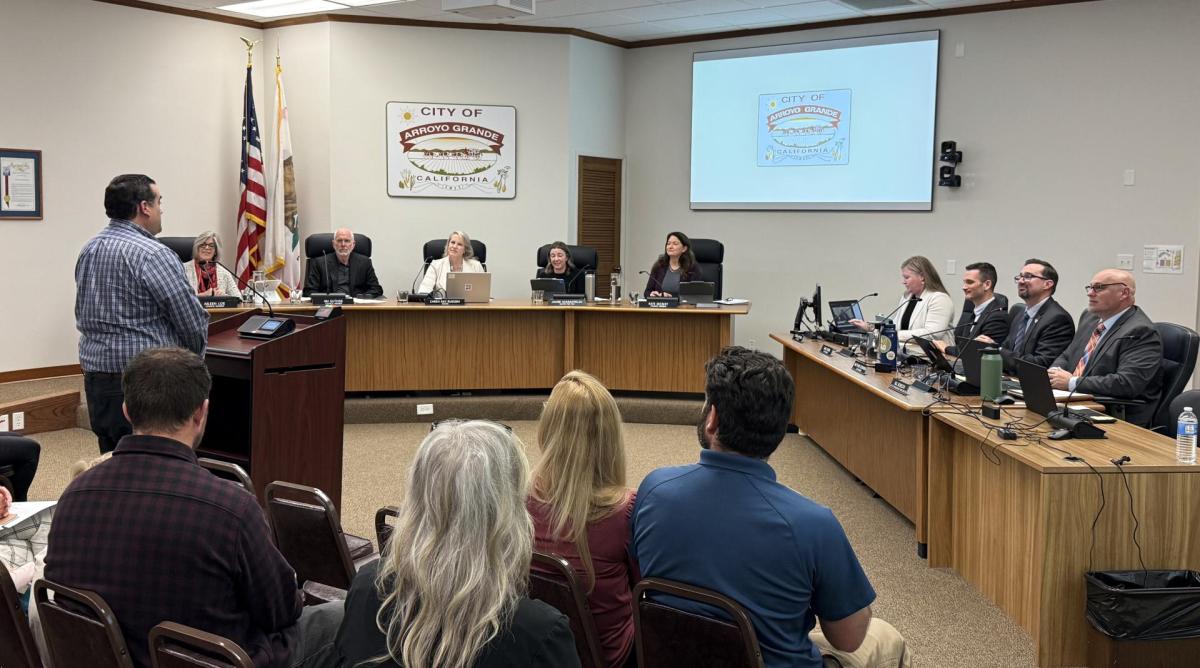
Four ways to maintain control and decorum during city council meetings
Caren Ray Russom is the mayor of Arroyo Grande, Bobbie Singh-Allen is the mayor of Elk Grove, and Jason Behrmann is the city manager of Elk Grove. Jan Perkins is the vice president of Raftelis and a former city manager. They can be reached through Jan Perkins at jperkins@raftelis.com.
We’ve all experienced unproductive, unpleasant, or otherwise
unhelpful city council meetings: Gadflies in the back talking at
full volume during proceedings, public commenters intentionally
hijacking time, and council
members attacking staff or one another.
But smooth, productive, and pleasant public meetings are
possible! Effective governance depends on disciplined adherence
to processes that maintain control while safeguarding the
public’s right to speak. Smooth public meetings are the direct
result of good governance, deliberate preparation, and consistent
application of clear procedures officially established in
advance. Here are a few proven strategies, based on our over 90
years of combined experience in local government.
Step 1: Set the foundation of good governance and teamwork
Successful council meetings are built long before the gavel drops. Effective governance is a team sport that requires a professional, disciplined, and collaborative mindset from every council member. But by far the most important value is respect:
- Respect among colleagues. Collaborate while finding solutions. You can disagree without being disagreeable — especially when you assume good intentions from all involved.
- Respect for the public. Value constituents as partners in governance. Public participation legitimizes decisions made by the council. Use management strategies to minimize off-topic or unproductive comments at council meetings without giving the impression that the public isn’t welcome.
- Respect for roles. Council members focus on policy direction and refrain from involvement in day-to-day organizational operations. Staff take directions from the city manager, who is the only one directly accountable to the city council. Blurring these lines creates confusion about who is running the organization. Staff can become frustrated and may even leave if they feel they are being directed by council members.
- Respect for process. Reading agenda materials in advance and raising questions beforehand shows respect for colleagues and staff. This also prevents “gotcha” tactics at the dais that erode teamwork and legitimize future poor behavior by the public.
Here’s how these strategies can play out in practice. In one city, a council member asked a senior planner several questions about information that was clearly provided in the staff report. This council member used an accusatory tone, implying that staff were hiding information. The mayor redirected the questions, noted that the information was already in the staff report, and added where it could be found.
After the meeting, the city manager privately pointed out to the council member that although his motivation might have been clarity, his tone was disrespectful and could erode public trust. He reinforced that everyone was on the same team — even when they disagreed — and that providing staff with heads-up about questions helps them provide complete and well-informed answers. The city manager also said that how council members treat staff may impact the city’s ability to recruit and retain employees.
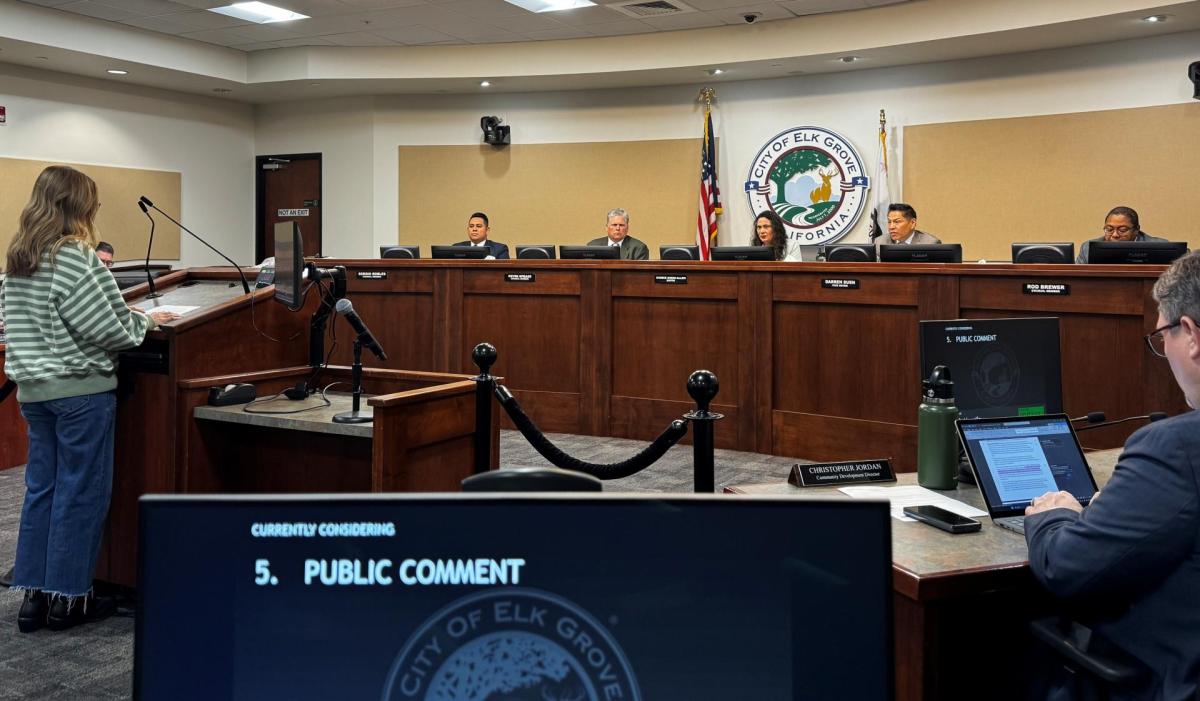
Step 2: Strategically organize agendas and consistently apply procedures
The fundamentals of a smooth meeting rely on robust preparation and consistent application of established procedures. Key preparatory steps include:
- Strategic agenda timing. Staff should carefully plan the agenda and avoid placing controversial items together. They should also consider external factors, like election cycles or known council member absences, that can slow down or disrupt meetings.
- Real-time agenda review. When a large crowd wants to speak on an issue, consider hearing their item first. Long waits through unrelated agenda items can prompt unnecessary disruption and escalate conflict.
- Regular check-ins. Quick meetings between the mayor and city manager before each meeting can help identify problems before they happen, such as potentially contentious issues or necessary recusals, and align meeting expectations.
- Monitor community sentiment. Proactive monitoring of community feedback by staff, combined with advance warnings from council members, helps ensure officials can properly prepare for and manage meetings.
- Scenario planning. To maintain control when meetings go off-kilter, the mayor and city manager should have a clear plan, including attorney-vetted statements for common disruptions.
City officials in one community were expecting a massive turnout due to a highly charged debate over a homeless shelter. Rather than leaving the item at the end of the agenda, the mayor immediately made a motion to revise the agenda and move the item to the beginning of the meeting. By addressing the highest tension topic first, the mayor respected the public’s time and ensured that the council could respond when it was at its most alert and patient. The room cleared out early, allowing the council to finish routine business in a calm, focused environment. While the order of items may be unavoidable as the agenda is assembled, the council can always revise it during the meeting as circumstances warrant.
Step 3: Manage emotional meetings with process
Regardless of how high emotions run, the mayor and council must focus on the main purpose of their job: conducting the city’s business inclusively without disruption. The mayor must ensure everyone in the room feels safe and valued, including those with dissenting viewpoints.
Proven techniques for maintaining control include:
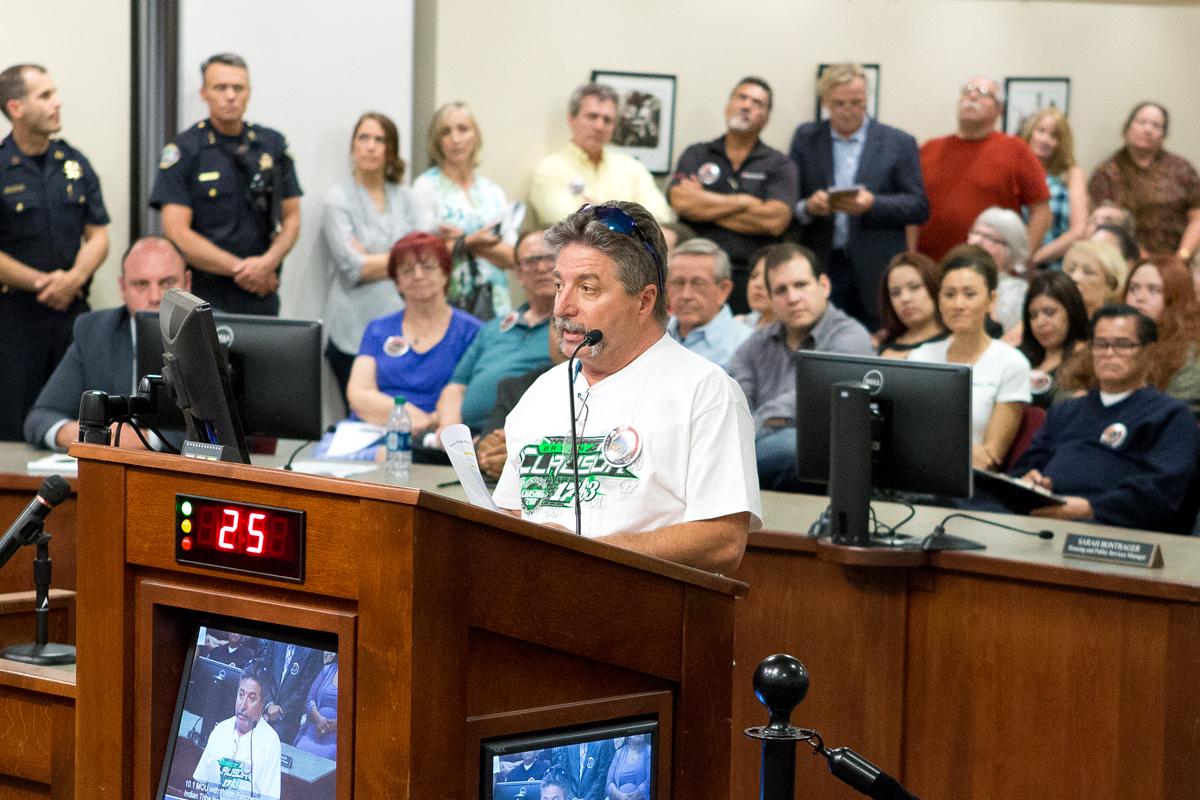
- Be consistent and firm with time limits. Announce the time limit for public comment and enforce it for every item at every meeting, regardless of the issue.
- Reinforce rules consistently. The mayor should proactively explain meeting procedures and rules of decorum — especially when a large group is present — to set expectations, support enforcement, and promote public compliance.
- Demonstrate decorum. Even when personally insulted, the mayor and council must sit, listen, look the speaker in the eye, thank them for their time, and move on. This disciplined conduct demands decorum from the entire room and helps keep everyone focused on the business at hand.
- Alternatives to disruption. Providing a nonverbal alternative to applause, such as jazz hands, helps prevent intimidation and reinforces that all speakers — especially those with minority views — should feel safe to participate.
- Disarm those who mislead. The mayor can make a note of misstatements made during public comment and treat them as “questions for staff clarification” after public comment closes.
- Re-explain the rules. If decorum is violated, the mayor must explicitly tell the audience, “The rules of decorum in this chamber are X, and are not Y.”
- Warnings and clearing the room. If disruptions continue, the mayor should issue a clear warning that the room will be cleared. A brief recess may help de-escalate the situation. If defiance or coordinated outbursts persist, the mayor can declare the meeting illegally disrupted and clear the room using attorney-vetted statements.
Here’s a common scenario you may have already experienced: During one council meeting, a speaker used their time to launch a personal, vitriolic attack on the mayor. The room began to erupt in cheers and jeers. Maintaining a calm face, the mayor waited for the timer to beep, looked the speaker in the eye, and said, “Thank you for your comments. Next speaker, please.” When the crowd continued to cheer, she calmly reminded the room of the “no applause” rule and encouraged the use of “jazz hands” to show support. By refusing to engage in the conflict and pivoting back to the established process, she de-escalated the situation and maintained her authority without uttering a single defensive word.
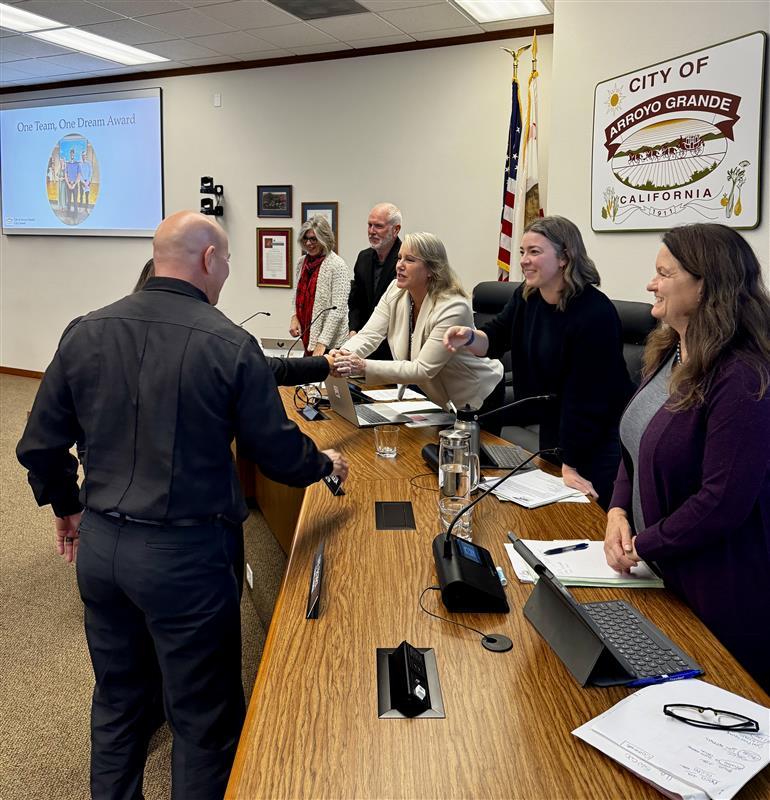
Step 4: Have a city council handbook
A comprehensive city council handbook formalizes rules of decorum, codes of conduct, expectations for governing, and consequences for violating rules. This includes policies for the public, but also, crucially, expectations for the council members themselves. The handbook should be vetted publicly and adopted in an open session so the public can hold themselves and the council accountable, and expectations are known by all.
For example: In one city, a council member berated staff, attacked other council members, and used the media to stoke public anger. Because the city had a handbook that addressed behavior expectations, use of titles in correspondence, and media relations procedures, the city manager and city attorney were able to address the behavior privately and offer additional training.
Ultimately, only voters can remove an elected official. However, by clearly espousing the public’s expectations in a publicly vetted council handbook, the city manager can back up and underpin expectations and remove personality from the conversation.
Now put these strategies into practice!
The city council’s work depends on clear processes, disciplined protocols, and teamwork. By being prepared, adhering to procedure, and being consistently respectful, elected officials and staff can stay focused on their core mission: foster a safe and well-maintained community with a high quality of life for all.