
What cities can learn from Pacifica’s ambitious new local coastal plan
Caleb Zimmerschied Valadez is a freelance writer. He can be reached at calzimval@gmail.com.

“Sometimes you have to go slow to go fast,” remarks Pacifica City Manager Kevin Woodhouse when asked about the city’s new local coastal land use plan (LCP).
The city recently got the green light from the California Coastal Commission for the plan in May 2025 — itself part of a larger, multiyear initiative. This new plan outlines how the city intends to address climate change, including policies related to property threatened by sea level rise. It’s a plan that took years to finalize, thanks in part to the city’s unique terrain and features.
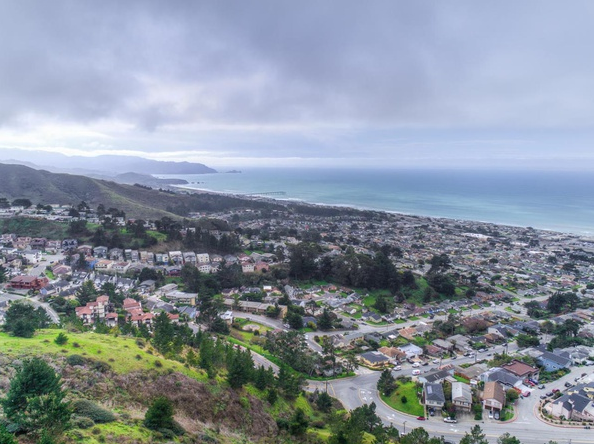
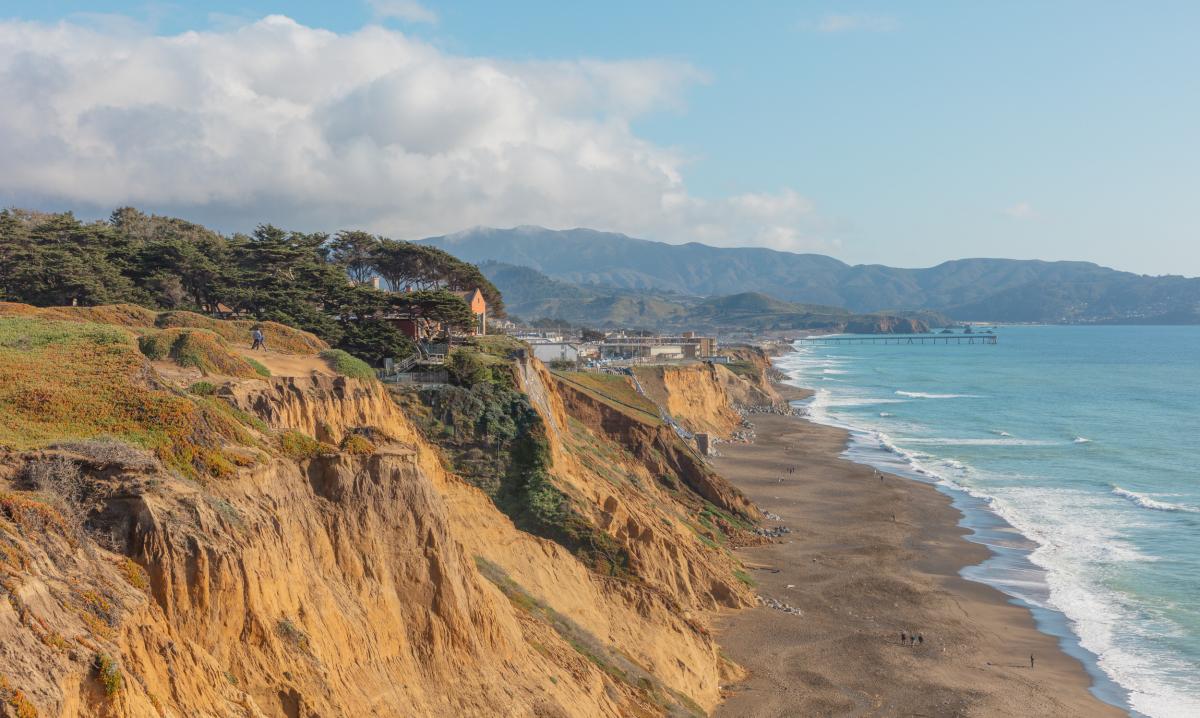
Pacifica, located between Half Moon Bay and San Francisco, is a city with limited space. On each side are other cities and vast swathes of preserved open space, with Highway 1 cutting through six miles of Pacifica. Everything west of Highway 1 is in the coastal zone. This new plan provides land use designations and policies for that land.
“There are direct effects for people who live or work in the coastal zone, but it’s really important to the city as a whole,” says Samantha Updegrave, Pacifica’s community development director. “The planning goes beyond just keeping one area in mind. It also matters to people just outside of the city or people who use Pacifica for recreation.”
Pacifica’s story is a familiar one. The city had made some minor amendments to its local coastal plan since its initial adoption in 1980. City officials needed to overhaul the plan to reflect newer science and planning around climate change.
“Just starting with the basis and foundation of current, best available science versus 1980s science puts us in a position where the document is more dynamic and forward-facing,” Updegrave says.
Getting a certified plan in place requires a lot of work and includes many moving parts — a vulnerability assessment, an adaptation plan, and lots of community outreach and coordination. But the work is worth the wait. Without a certified plan, cities must defer to the California Coastal Commission for local permitting matters.
“The overarching Coastal Act has base policies of hazard minimization and resource protection, but it is made with the point of enacting these policies on a more localized level,” says Kelsey Ducklow, a coastal resiliency coordinator with the California Coastal Commission.
To be consistent with the Coastal Act, cities should regularly talk to the commission about their updates. This is where Pacifica shined: By engaging Coastal Commission staff and maintaining regular communication during the iterative review process, city staff were able to tap into the commission’s technical expertise to make sure they accurately interpreted the Coastal Act in their plan and policies.
It’s something that more cities will need to do: All cities on the coast must now develop a plan for sea level rise by 2034 as part of their LCPs.
“[Pacifica’s] was an LCP that was from the 80s,” says Ducklow. “It wasn’t really reflecting our understanding of sea level rise science. That’s the goal of updating these LCPs now, with a new focus on sea level rise to really better understand what’s vulnerable.”
To answer these questions, Pacifica not only collaborated with the coastal commission but also engaged with community members on new policies, available science, and land use designations to develop customized solutions for different areas within their city.
City officials piloted a “neighborhood” approach by developing special shoreline resiliency areas within the city. This approach recognizes that different areas may need different solutions for long-term coastal management, which the city can implement in phases. These solutions depend on the types of coastal environmental features, facilities, structures, and critical infrastructure.
Sue Beckmeyer, the city’s former mayor and current council member, spent the last several years encouraging this neighborhood approach in partnership with the coastal commission. The commission held a public workshop debuting this approach last year. Pacifica is the first to put it into action with its updated plan, serving as a model for other cities.
“Achieving this milestone is a huge step forward for Pacifica,” Beckmeyer says. “With strong support from the California Coastal Commission, certification of this plan will guide our actions to preserve our beautiful coastline and protect our community long into the future. With this framework, we will embark on a community-wide public process to look at adaptation options and our collective vision for Pacifica’s future.”
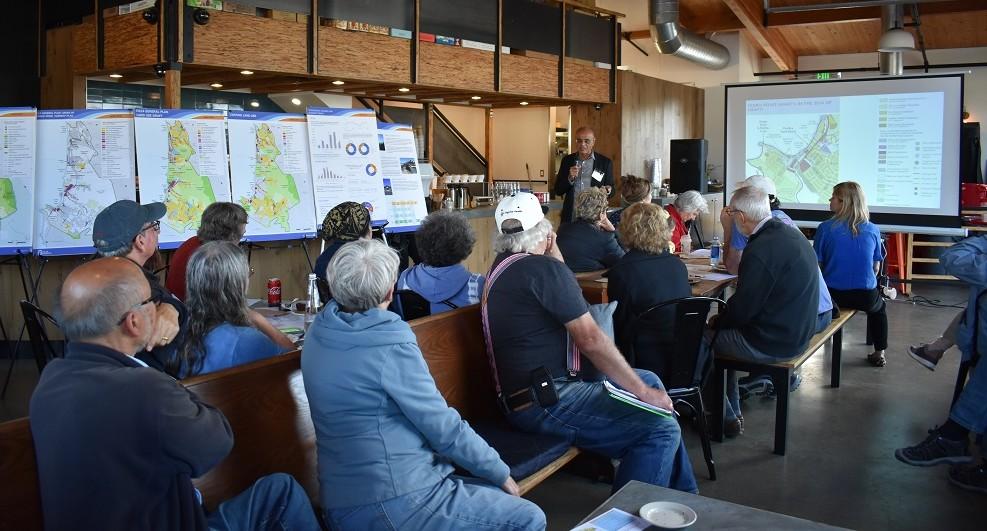
Pacifica implemented a robust community engagement plan, with a focus on “tabletop conversations.” At roundtables and dinners, community members voiced their ideas and concerns with city officials and other residents. City officials hope the momentum from the recent public engagement and planning process will allow it to be more proactive about future challenges, even if those conversations were not always easy.
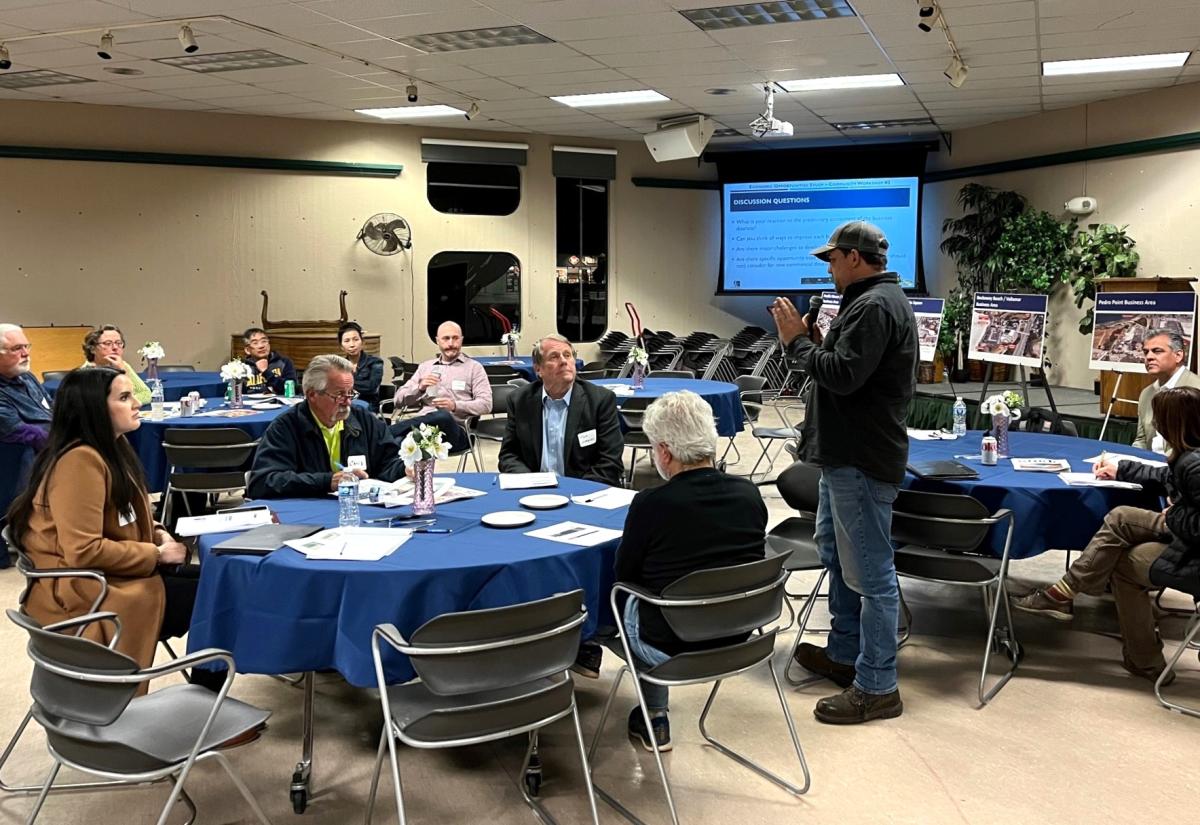
“Whenever you have land use documents, they tend to be controversial,” says Woodhouse. “These are policies that apply to people’s private properties, and they invoke a lot of passion and emotion: Let’s try to find common solutions that are in the best interest of Pacifica decades into the future.”
For example, the new plan could be the determining factor in maintaining critical infrastructure and ensuring future development remains safe from sea level rise, coastal flooding, and erosion impacts. Five community engagement meetings on the topic turned into 11.
“It took longer, but it was an important step,” says Woodhouse. “You can’t do [something like this] without that kind of engagement and conversation.”
Another added challenge is that Pacifica’s coastline includes a little bit of everything — bluffs, rock revetments, sandy beaches, coves, and more. Other complications arise from where coasts or beaches are public, but run up against private property, such as someone’s backyard. That backyard isn’t part of the public trust but is still part of the coastal zone. Therefore, policymakers had to account for how it might interact with public areas.
“As with the local coastal land use plan, compromise will be expected of all of us,” Beckmeyer says. “We will move forward together, step-by-step, to create proactive plans rather than reactive responses to our changing coastal conditions.”
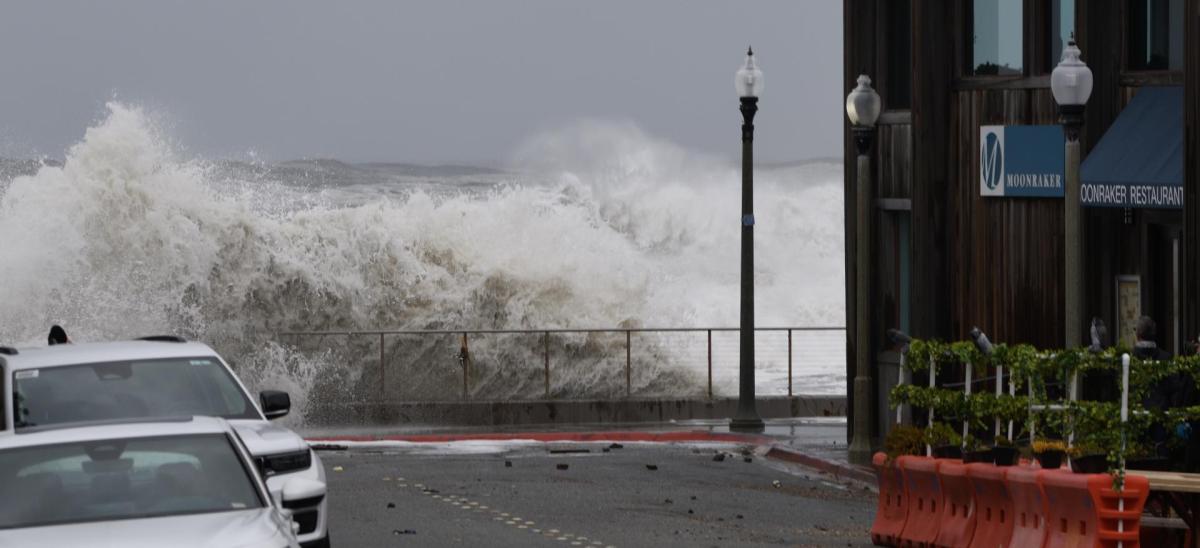
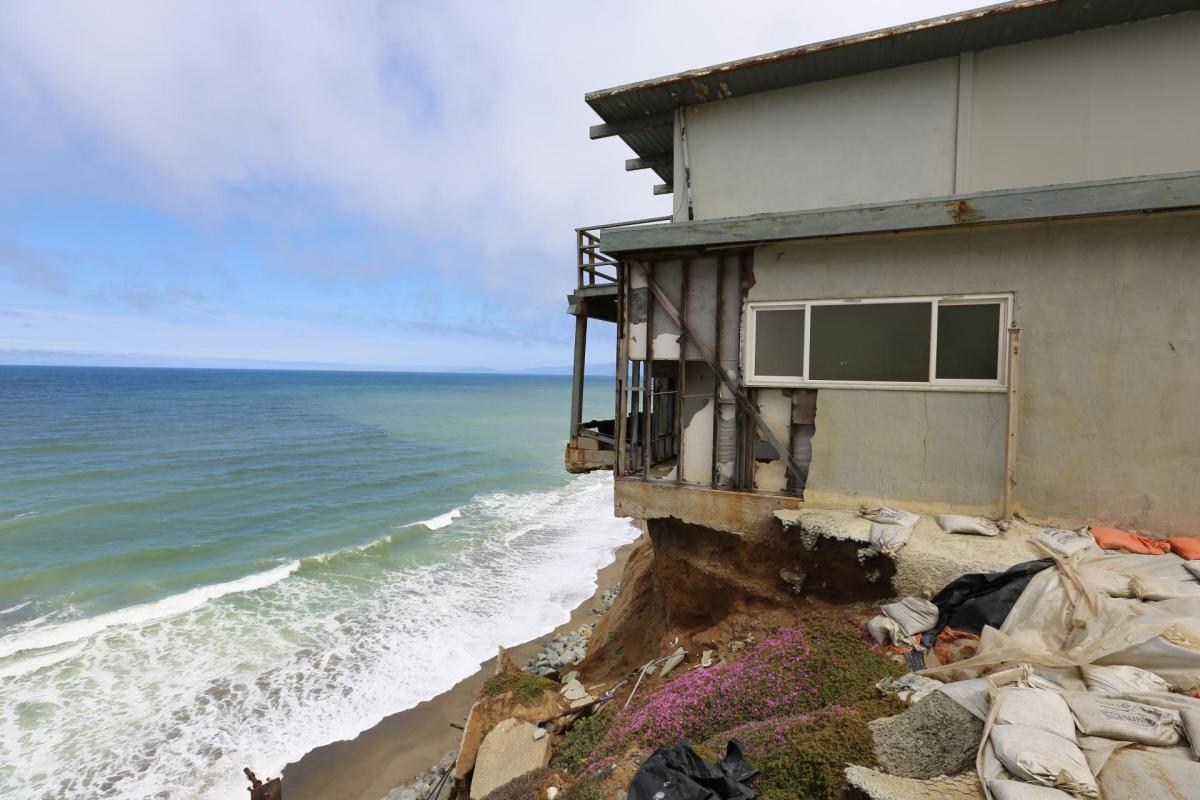
Parts of Pacifica’s coastline includes shoreline armoring — hardened structures, such as sea walls, that resist wave impacts and flooding. Armoring can be controversial because it must be maintained, repaired, and potentially moved over time. Armored zones are intended to protect development and critical infrastructure, but can increase flooding or erosion in other areas.
Armoring is common in Pacifica’s tourist hotspots, such as Sharp Park and Rockaway Beach. Relocating those areas is economically and legally infeasible, says Updegrave.
“Pacifica wanted to do something a little bit more innovative [with regards to] armoring in some portions of their town, which initially we were a little nervous about,” Ducklow says. “But eventually we figured out a way to make it work through their phased approach.”
According to Ducklow, Pacifica’s neighborhood approach recognizes that adaptation can be phased. The actions a city takes today are designed for specific, near-term benefits over the next 10, 20, or 50 years. During the next century, the best available science may require different actions to combat future climate impacts. Pacifica’s new coastal plan includes a balance of hard armoring for developed areas and “soft” solutions, like habitat restoration, which will provide natural protection to the coastal environment.
“There’s a lot of development that is currently at risk, but it’s unrealistic to think that these developments can be moved out of harm’s way tomorrow, and certainly not in an equitable or efficient manner,” says Ducklow.
To put it another way: The new plan is all about compromise and localized policies. “Our phased approach based on our special shoreline resiliency areas … allows us to account for not just private property but really critical public infrastructure that runs along the shoreline,” Updegrave says. “I think that’s the model for other cities to look to.”